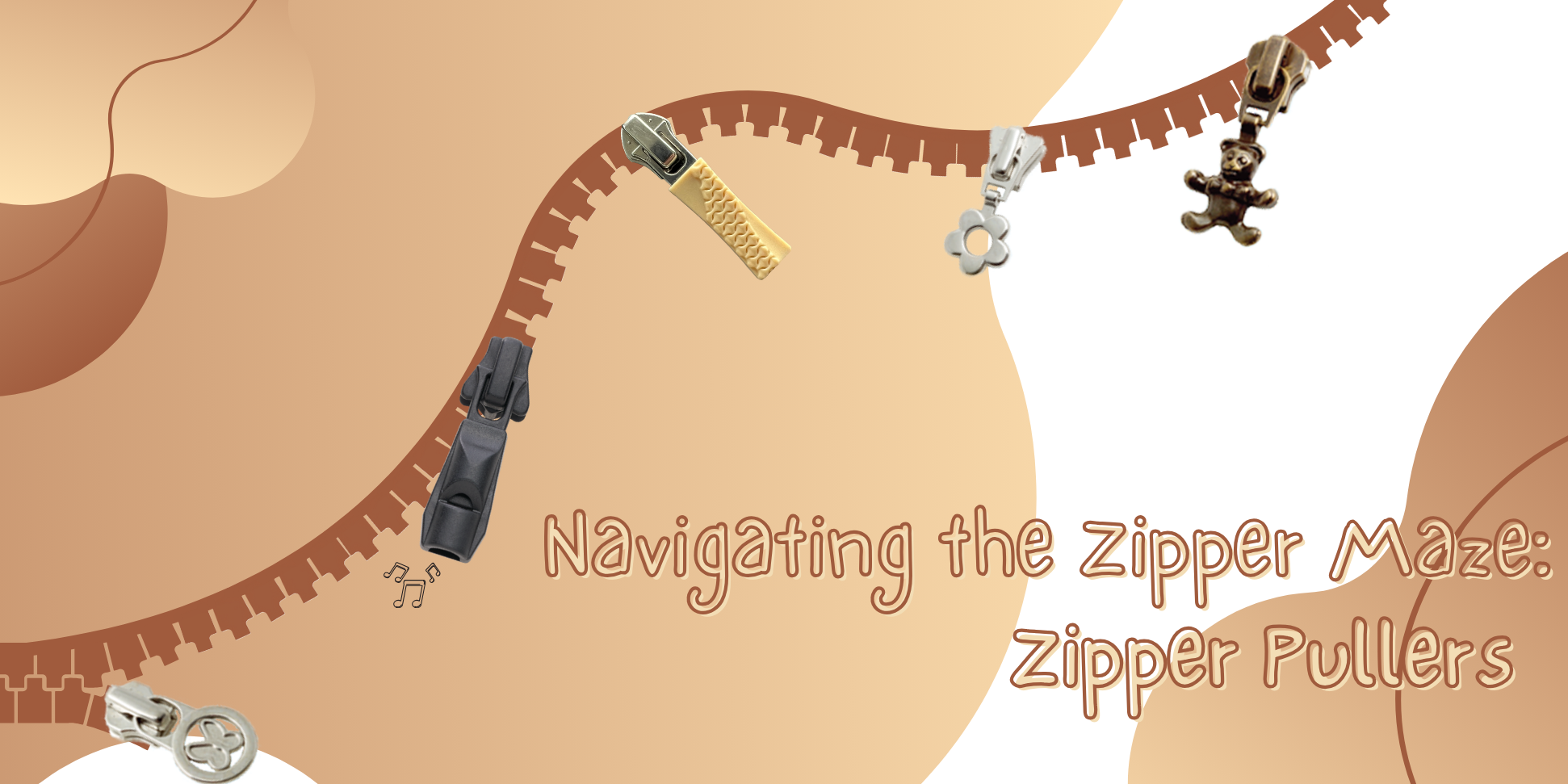
Zipper pullers are small, yet essential components of zippers that we use in our daily lives. Without these, working a zipper would take more effort, bringing inconvenience when securing our belongings. In this article, we will delve into the basics of zipper pullers, understand their mechanics, explore the different types available, identify common problems and learn how to repair and maintain them effectively.
The Basics of Zipper Pullers and Sliders
Before diving into the various types of zipper pullers, let’s talk about the structure of zippers.
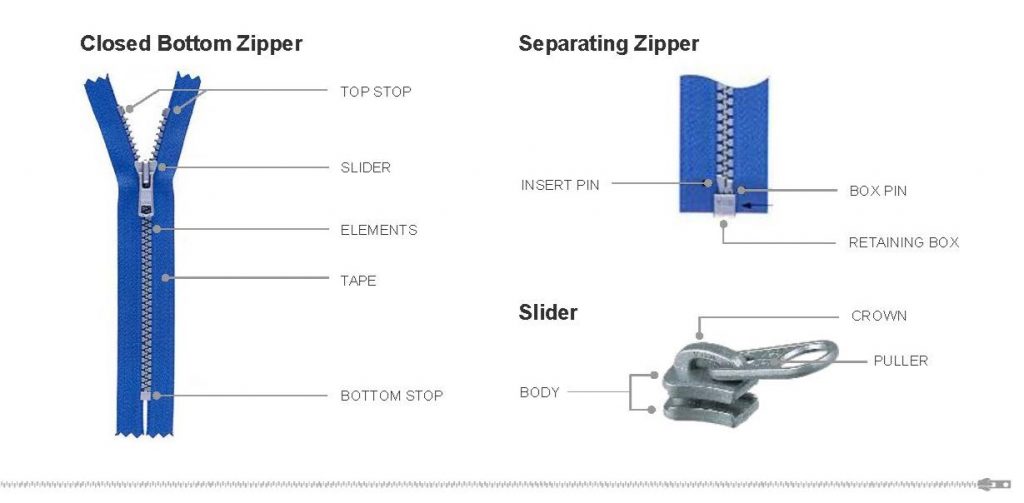
A zipper consists of two rows of elements on strips of tape and a slider which draws the elements together.
Zipper sliders are designed to facilitate the movement and alignment of the zipper teeth. The slider consists of two essential parts: the puller and the body. The zipper puller is the small handles, which attaches to the zipper slider, while the body houses the mechanisms that engage with the zipper teeth. By using the puller to guide the slider along the zipper tape, the teeth interlock or separate, enabling the zipper to open and close smoothly.
Zipper pullers are also commonly referred to as pull-tab or zipper pulls. Their primary function is to provide a grip for users to operate zippers easily. By grasping the zipper puller, individuals can effortlessly slide the zipper up or down, allowing for quick access to the contents enclosed within.
Zipper pullers come in a wide variety of shapes, sizes, and styles, including incorporated decorative designs. The design variations not only enhance the functionality of the zipper, but also contribute to the overall aesthetics of the garment or accessory where the zipper is used.
Furthermore, zipper pullers can be customized to suit specific needs and preferences. They can be made from various materials, including metal, plastic rubber, and can be embellished with different colours. This versatility allows designers and manufacturers to create zippers that seamlessly blend with the overall design of the product.
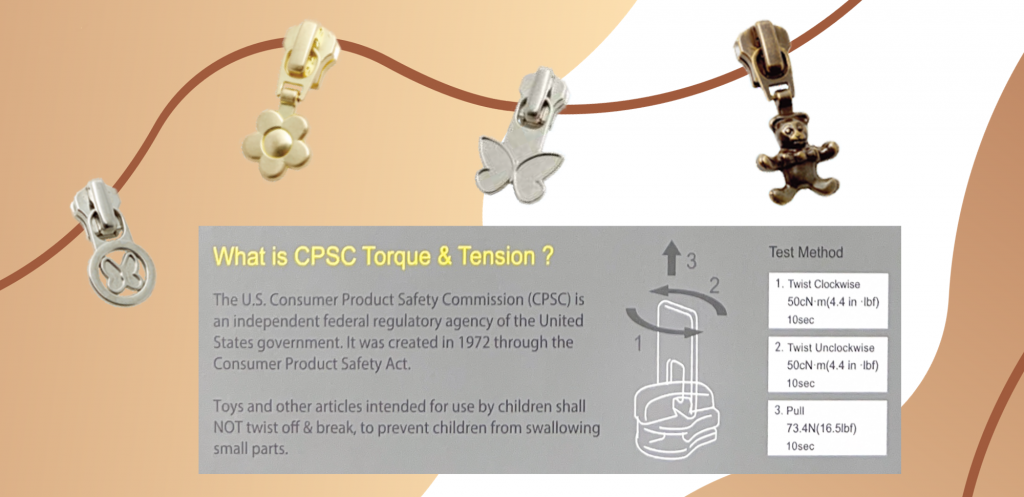
YKK also has a range of zipper sliders for children wear, that are specially designed in accordance with The U.S. Consumer product safety commission¹ (CPSC) requirements.
Mechanism of Zipper Pullers and Sliders
As an important part of a zipper, the zipper slider has various functions to facilitate the movement of the zipper. Two main locking functions are: Non-Lock and Lock.
With a locking function, the lock automatically locks when no force is placed on the puller. The slider will not move even when force is placed on the element. When the puller is lifted away from the slider body, the lock pin disengages and allows easy movement of the slider.
On the other hand, a Non-lock system allows the slider to move when some force is placed on the zipper. The slider is free to open and close easily. The main use of Non-lock slider is for luggage.
Different types of Zipper Pullers and Sliders available
Corresponding with its growth and continuous innovation, YKK has increased its range of zippers and puller options to satisfy the diverse requirements of its customers.
To illustrate our diverse range of pullers, we’ve chosen a few standout examples.
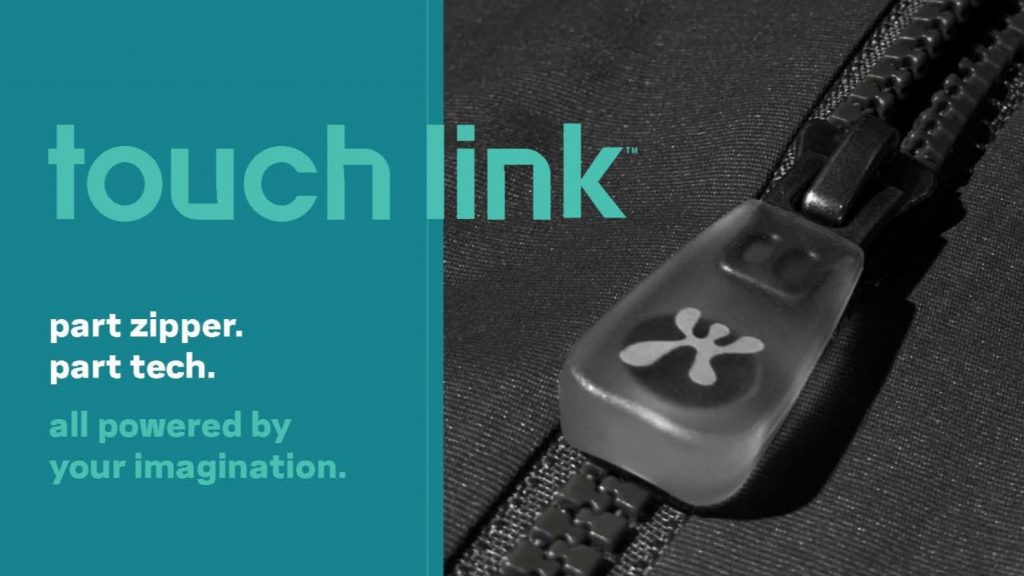
TouchLink® is a fastener puller with a built-in NFC chip that reads registered information when a smartphone is brought close to it and can be linked to websites and applications.
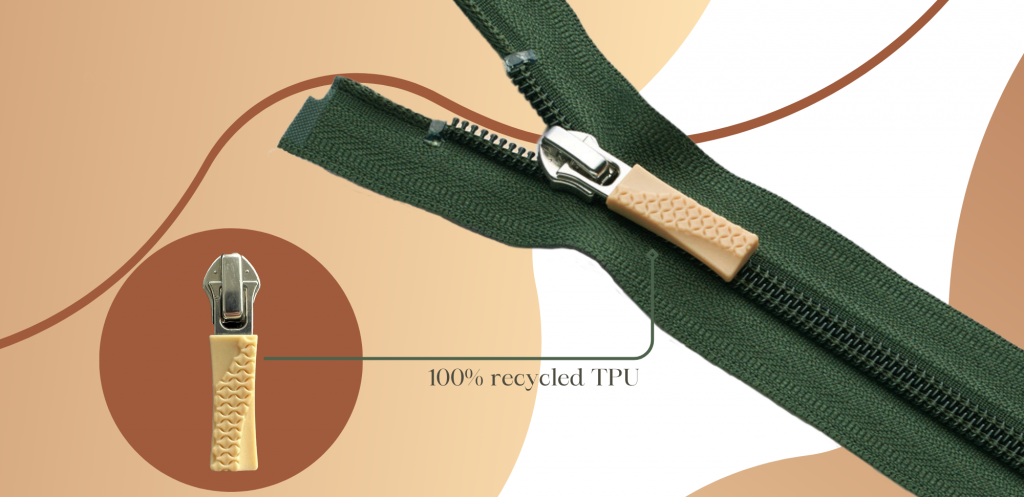
The TPU puller is made of 100% recycled TPU (post-industrial) material. Customers who are looking for sustainable options to reduce their carbon footprint can consider the recycled TPU puller.
Due to it’s recycled materials, the TPU colour may be yellow or greenish when compared to pullers made with virgin material. Do note to check the colour with actual sample during the sampling stage. New puller design development is available upon request.
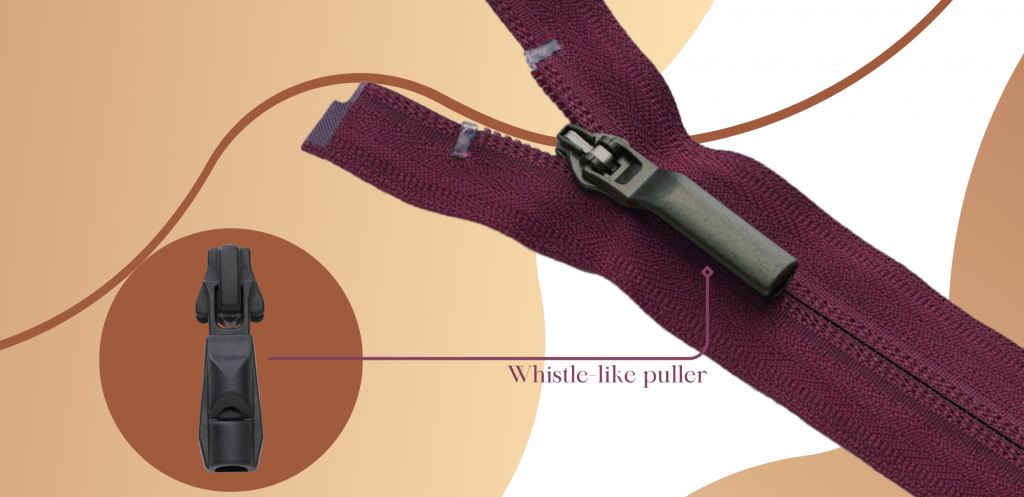
YKK also designed a Whistle-like puller.
The puller could be blown to make sound. however, it is not applicable on life-saving items.
Common Problems with Zipper Pullers and Sliders
Zipper pullers and sliders are essential components of zippers, and their proper functioning is crucial for the smooth operation of zippers. However, various problems can arise with zipper pullers and sliders, leading to zipper malfunctions and user frustration. These issues can range from minor inconveniences to significant defects that render zippers unusable.
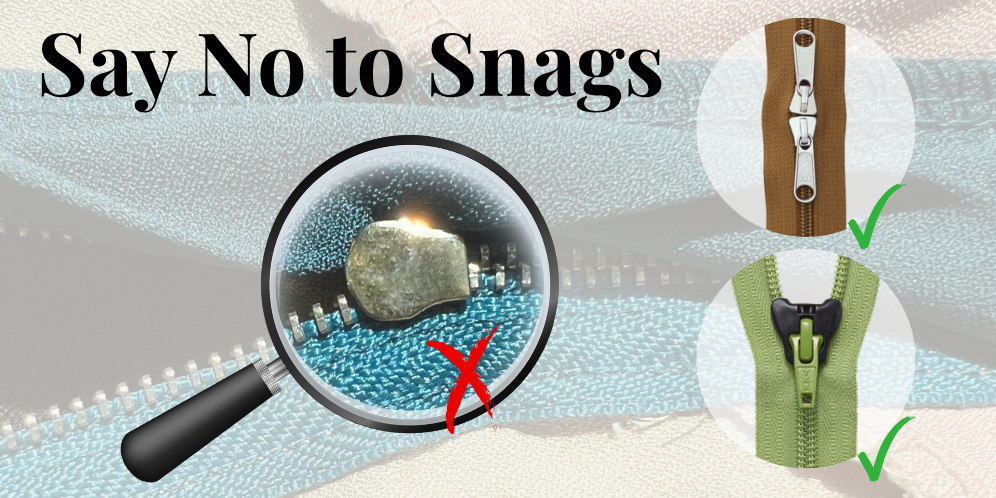
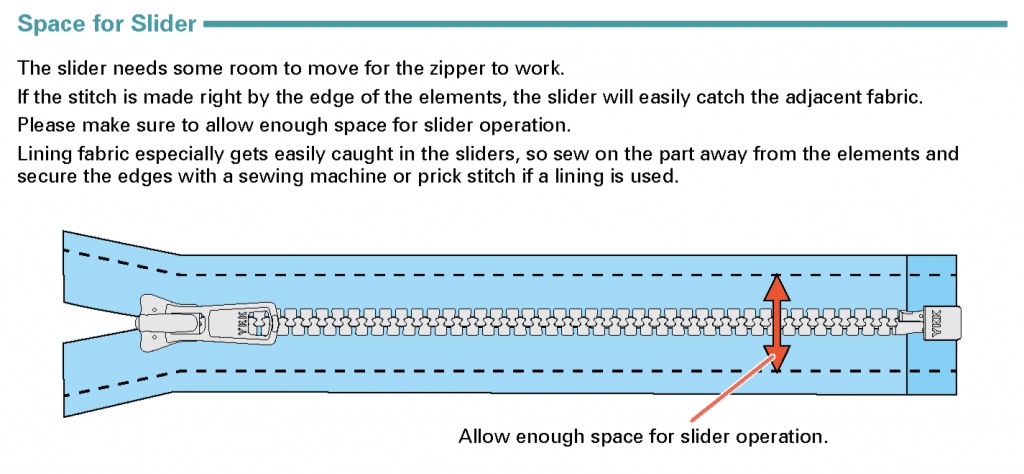
Problem 1: When opening and closing the zipper, it does not move smoothly, or it catches the fabric
When sewing, if the stitching is made too close to the elements, the slider will not have enough space to move, impeding its operation. Be careful to allow enough space.
If the zipper catches because the fabric used is too thin or soft, you should put in a stitch or core to reinforce it.
Please refer to Proper Sewing Procedure for Zippers which can also be found in our Fastening Catalog.
Problem 2: The slider caught the material and tore a hole in it, or the zipper won’t close because it caught the material.
Try to pull the slider the other way, as to loosen the caught material. This may cause the pull tab to break, so do not try to force the slider to move. Instead, try moving it gently.
Understanding the fundamentals of zipper pullers and sliders allows you to successfully handle and maintain zippers in your everyday life. With this knowledge, you can confidently choose the right type of puller and slider for your needs, identify and troubleshoot common problems.
We’re dedicated to providing you with the best possible support. Contact your local YKK office if you require any assistance.
¹ The U.S. Consumer product Safety commission is an independent federal regulator agency of the United States government. It was created in 1972 through the consumer product safety act. Toys and other articles intended for use by children shall not twist off & break, to prevent children from swallowing small parts.